

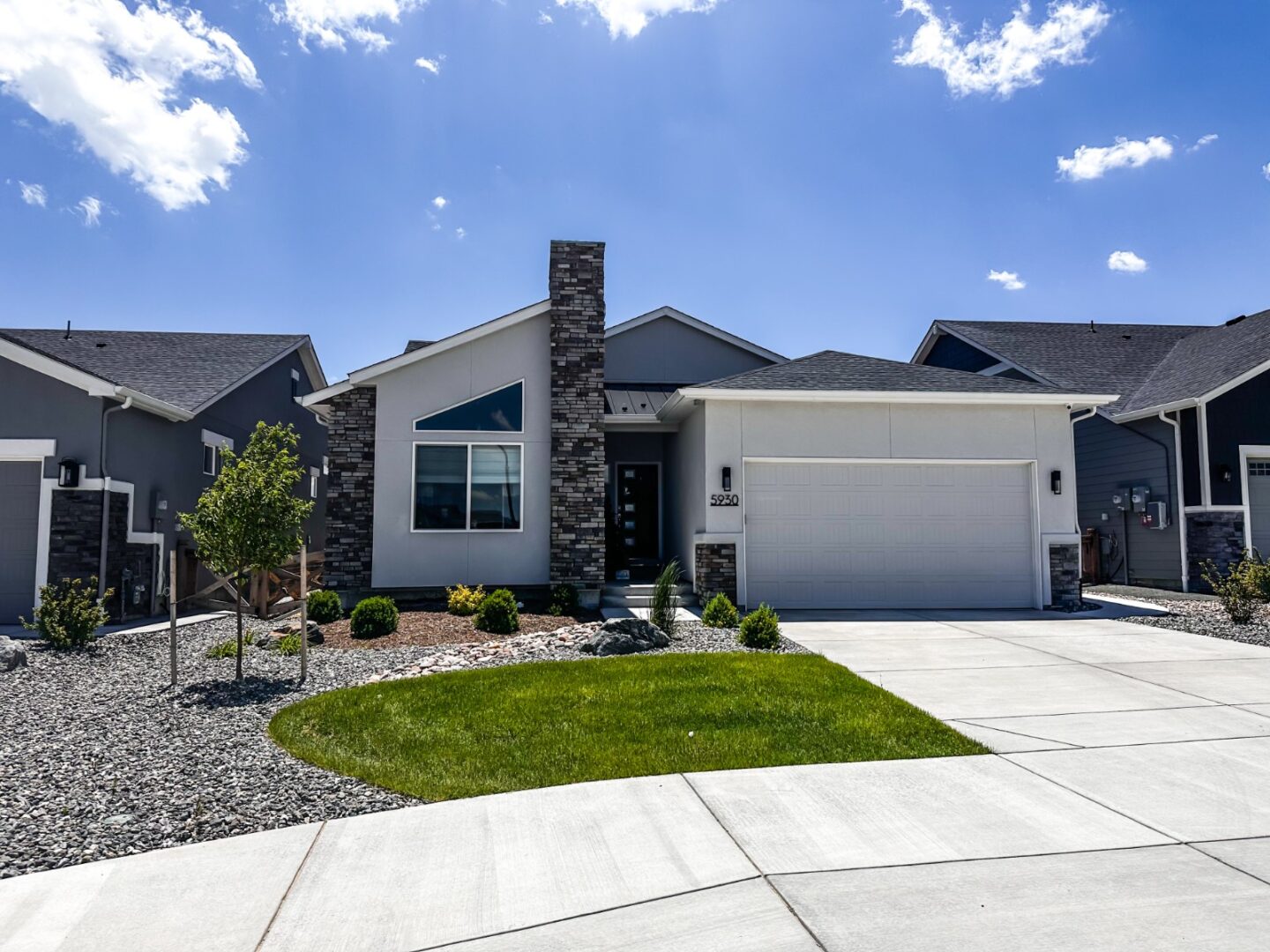
Finding the right homeowners insurance policy in Colorado Springs means thinking about more than your address. Life along the Front Range comes with mountain views, room to put down roots and weather that can put your home to the test.
Your policy should reflect what it would take to repair your house, replace your belongings and cover additional living expenses after a covered loss. The details matter, from roof coverage to deductibles.
At 719 Insurance, we help you make sense of those details and compare options from multiple carriers. Here’s what to know before choosing coverage.
What Does Homeowners Insurance Typically Cover?
A homeowners policy typically includes several types of coverage, each with its own limits and conditions:
- Dwelling coverage: Helps pay to repair or rebuild your house after a covered loss.
- Other structures coverage: Applies to eligible structures separate from your home, such as a detached garage or fence.
- Personal property coverage: Helps cover belongings such as furniture, clothing and electronics.
- Personal liability coverage: Helps with covered claims if you’re legally responsible for someone else’s injuries or property damage.
- Additional living expenses: Helps pay necessary increases in living costs if covered damage makes your home uninhabitable, subject to policy limits.
That last category can matter more than people expect. If covered damage makes your home uninhabitable, the expense may include temporary housing and meal costs above what you normally spend. Knowing your coverage limits ahead of time gives you a clearer picture of what support may be available.
Your Coverage Should Reflect the Cost to Rebuild
The amount you paid for your home isn’t necessarily what it would cost to rebuild it.
Your purchase price includes factors such as land and location. Rebuilding involves labor, materials and the specific features of your house. A finished basement, updated kitchen or addition can change that calculation.
When comparing homeowners insurance, ask how the insurer estimates your home’s replacement cost and whether the estimate reflects recent improvements.
It also helps to understand two common terms:
- Replacement cost coverage generally pays to repair or replace covered property with materials of similar kind and quality, without deducting for depreciation.
- Actual cash value coverage factors in depreciation, which can leave you paying more out of pocket.
Both remain subject to your policy’s terms, limits and deductible. For some additional insight, the National Association of Insurance Commissioners explains this distinction with a straightforward claim example.
Colorado Weather Deserves a Closer Look
Hail and wildfire protection for Colorado Springs homeowners definitely belongs in the insurance conversation. Colorado’s Division of Insurance identifies both among the disasters residents should prepare for.
Hail and Roof Coverage
Homeowners policies commonly cover hail damage, but that doesn’t mean every policy pays the same amount toward a damaged roof.
Ask whether your roof has replacement cost or actual cash value coverage, whether any special limitations apply and whether wind and hail have a separate deductible. Those details can make a meaningful difference in your share of the repair bill.
Wildfire Preparation
Homeowners insurance typically covers wildfire damage, subject to the policy’s terms. It’s still worth reviewing your dwelling limit and additional living expense coverage before you need them.
Preparation matters, too. The Colorado State Forest Service’s wildfire guidance explains how maintaining defensible space and reducing combustible materials around your home can lower the chance of ignition.
Clearing needles from gutters and removing combustible debris near the house are practical places to start. Insurance and home maintenance serve different purposes, and both deserve attention.
Don’t Assume Every Type of Water Damage Is Covered
A damaged roof and water rising into your home can lead to very different insurance outcomes.
Most homeowners policies do not cover flooding. Separate flood insurance may be needed, even if your mortgage lender doesn’t require it. FEMA’s flood insurance basics explain why flood risk deserves consideration beyond properties next to a river or creek.
When reviewing your policy, ask which water losses are covered, which are excluded and whether additional coverage is available for concerns specific to your property.
Compare More Than the Premium
The premium tells you what you’ll pay to keep the policy. It doesn’t tell you everything you could owe after a loss.
Before choosing coverage, ask:
- Does the dwelling limit reflect an updated rebuilding estimate?
- How would a roof claim be paid?
- What deductible applies to wind or hail damage?
- How much additional living expense coverage is included?
- Are valuable belongings subject to special limits?
- What exclusions or optional coverages should I understand?
A lower premium may come with a higher deductible or different claim settlement terms. Make sure you’re comfortable with those trade-offs before deciding.
Find Coverage That Fits Your Colorado Springs Home
You shouldn’t have to sort through policy details on your own.
As an independent agency based in Colorado Springs, 719 Insurance compares options from multiple carriers and helps you understand how they fit your home, priorities and budget. Whether you’re buying your first house or reviewing coverage you’ve had for years, we’re here to help you make an informed choice.
Explore our home and property insurance options and connect with our team to find the right policy coverage for your home!